
Timber decay — whether dry rot or wet rot — is rarely limited to what you can see on the surface. Both are caused by wood-destroying fungi that break down the structural fibres of timber, and both require a thorough survey to establish the full extent of the problem before any treatment begins.
Dry rot in particular has a notorious ability to spread far beyond the timber itself, sending fungal strands through brickwork, mortar joints, and masonry in search of new food sources.
That’s why an accurate diagnosis is absolutely essential. Treat too little and the decay continues. Treat without understanding the underlying moisture source, and it will almost certainly come back.

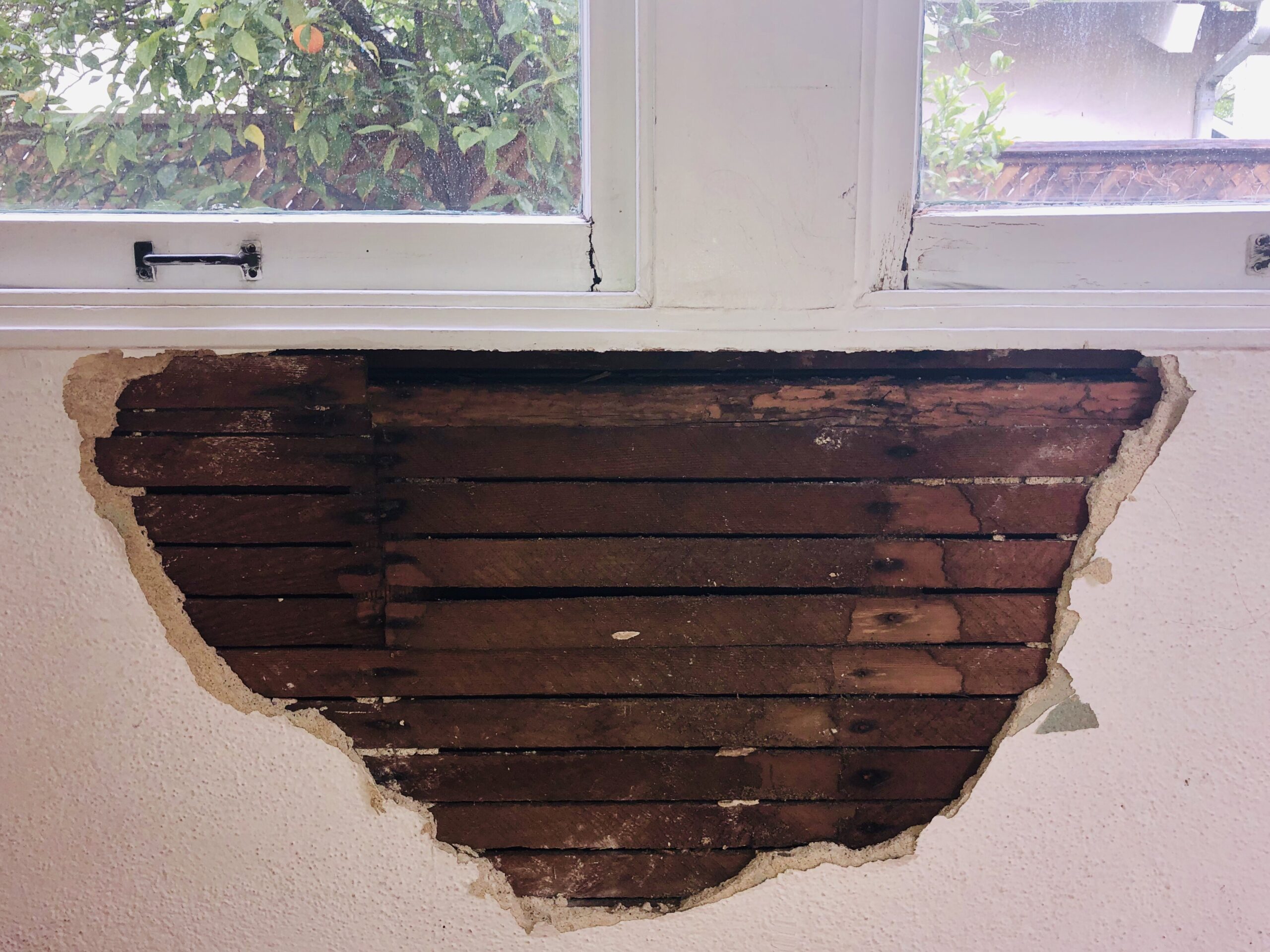
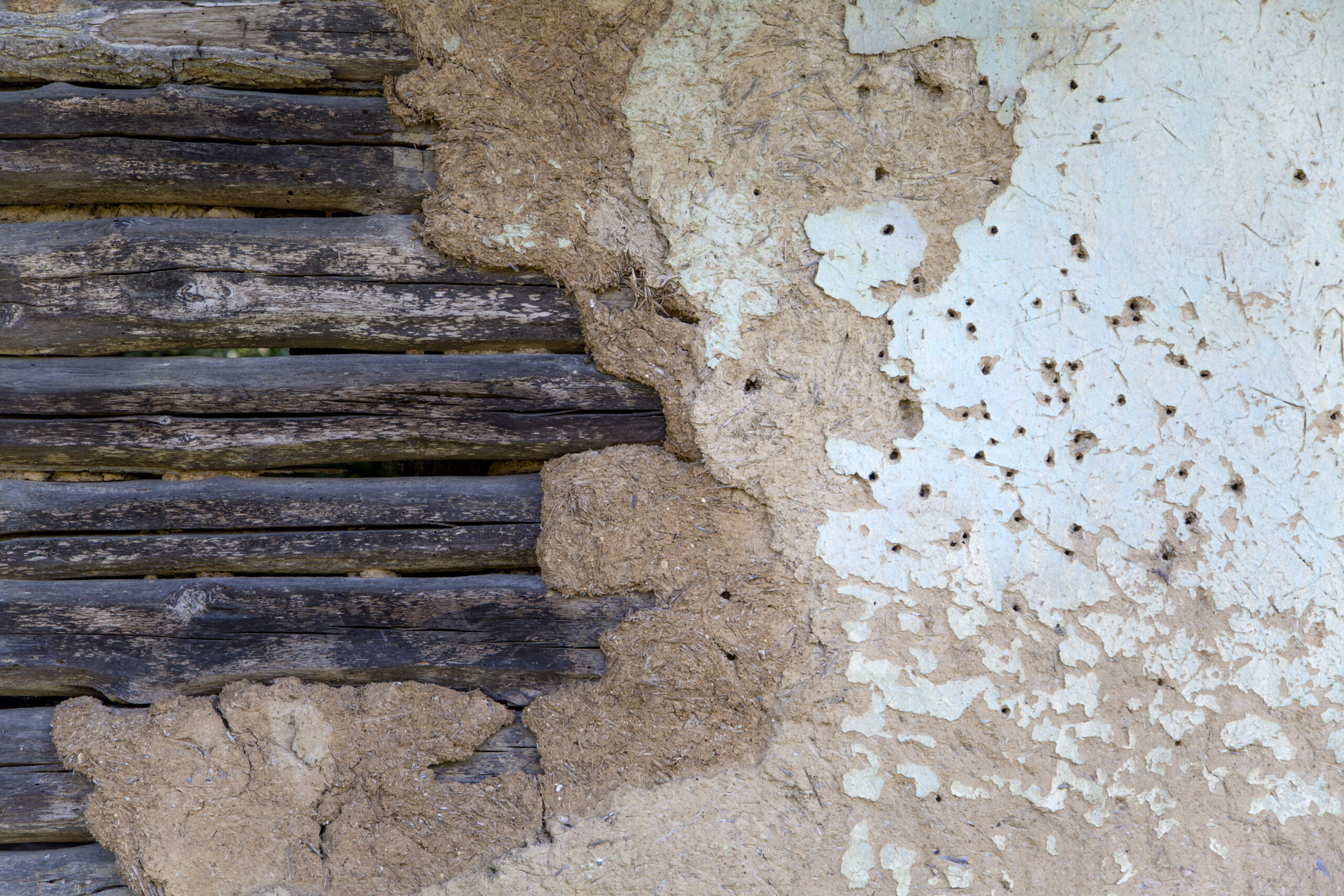
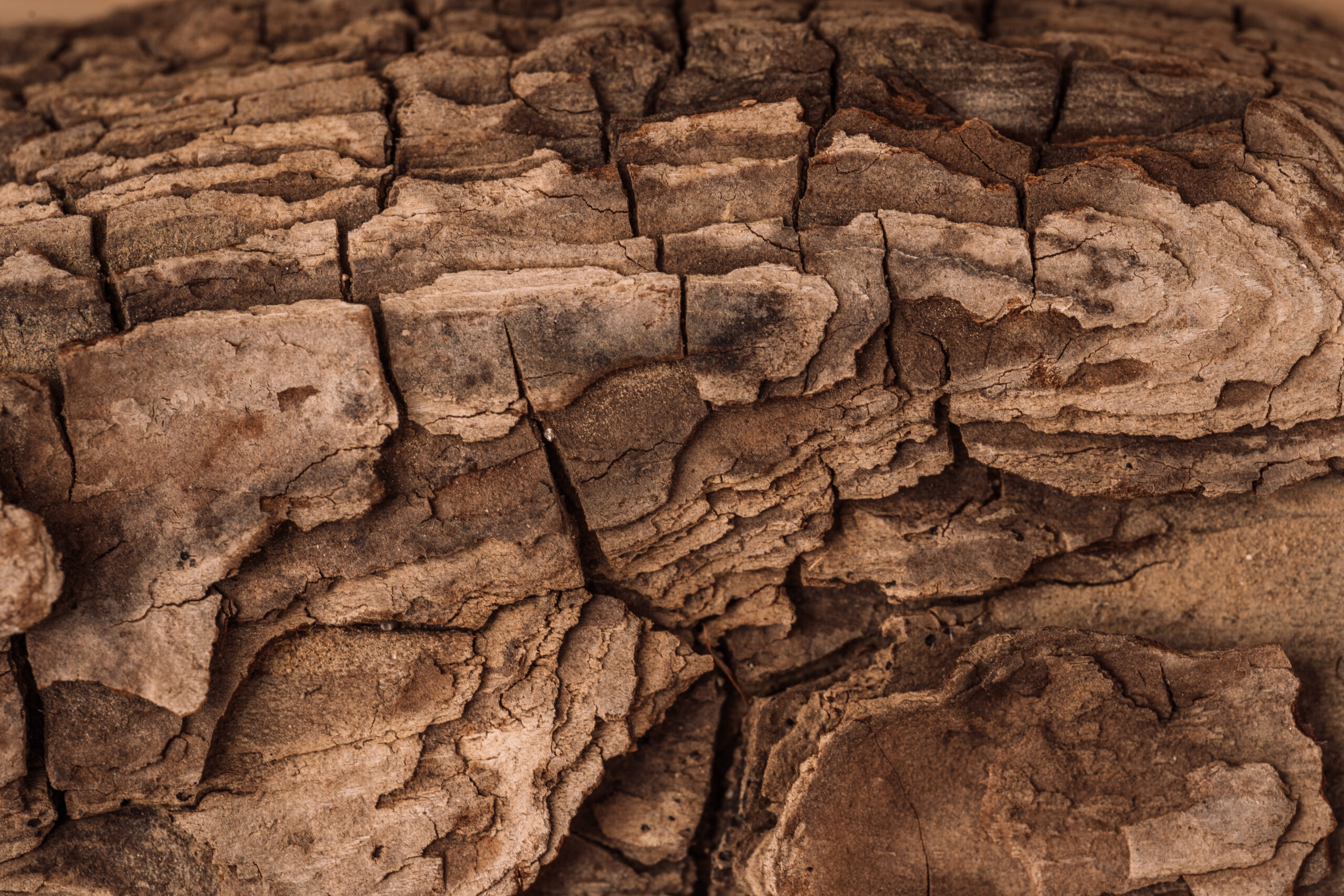
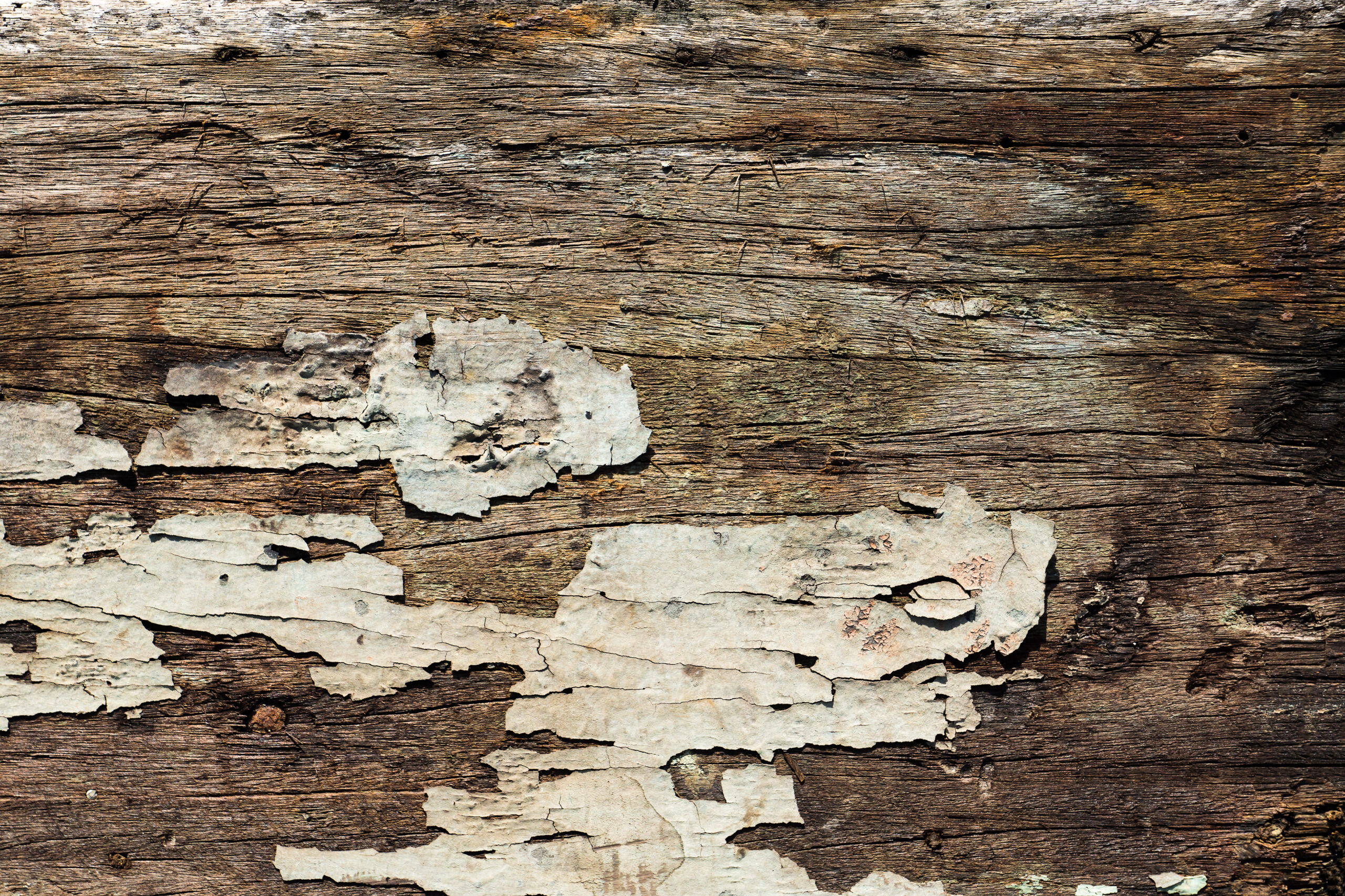
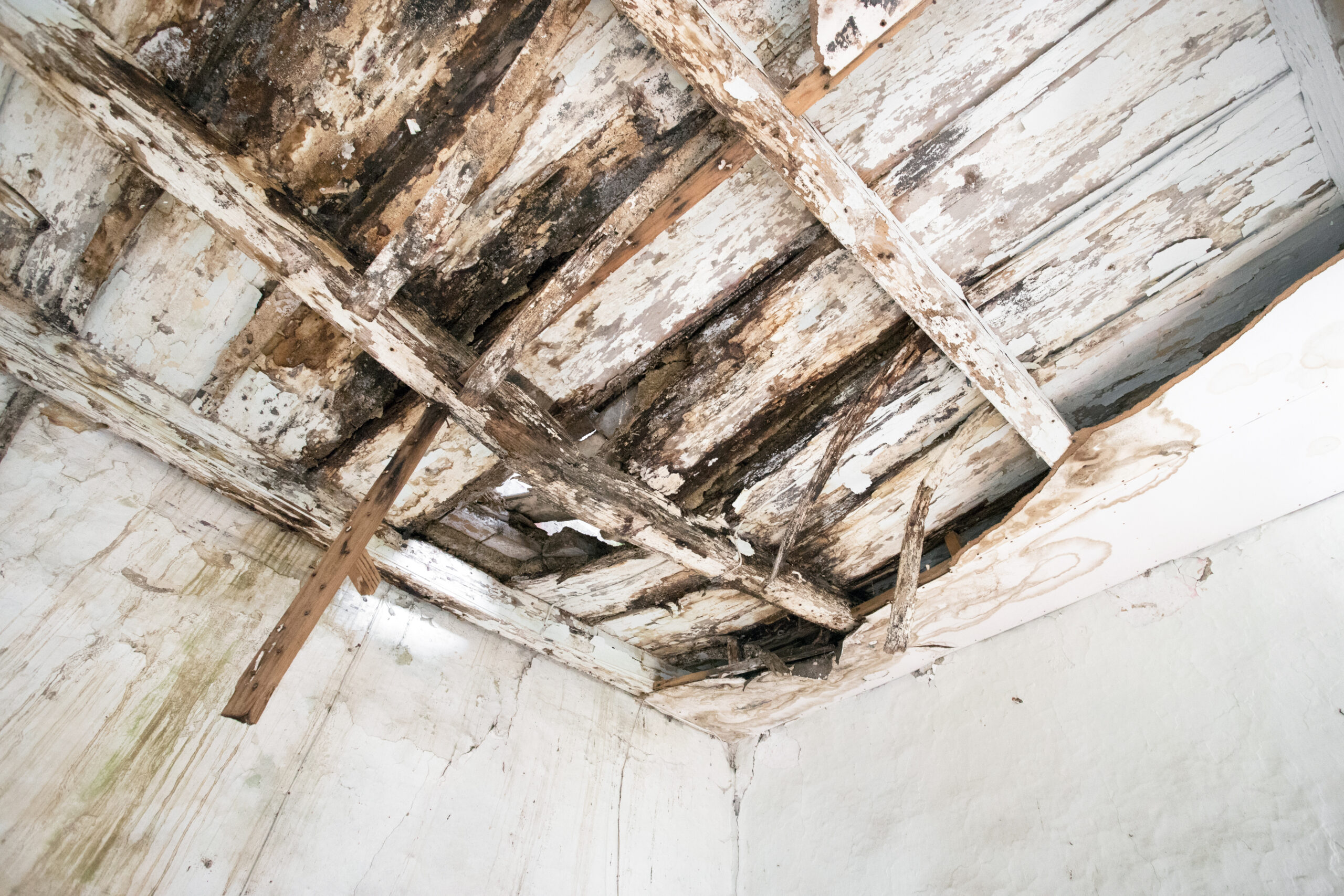
Dry rot is the most serious and destructive form of timber decay found in UK buildings. Despite its name, dry rot does require moisture to become established — it needs a timber moisture content of around 20% or above to germinate — but once it takes hold, it has a remarkable ability to transport water through its own mycelium network, allowing it to spread into areas that appear perfectly dry.
The causative organism, Serpula lacrymans, is uniquely damaging because its root-like structures known as rhizomorphs can penetrate through plaster, mortar, and masonry to reach new timber far beyond the original outbreak. An infection in one room or floor level can spread through wall cavities and structural timbers in adjacent areas, which is why a thorough survey is so important before any treatment begins.
How to identify dry rot:
Where dry rot commonly occurs in Cardiff and Vale properties:
How we treat dry rot:
Wet rot is considerably more common than dry rot and, while it is less aggressive in terms of its ability to spread through a building, it can still cause very serious structural damage if the underlying moisture source is left unaddressed. Unlike dry rot, wet rot remains localised to the area of elevated moisture — its mycelium cannot spread through masonry — but it will continue to break down timber for as long as damp conditions persist.
Several species of fungi cause wet rot. The most frequently encountered in UK properties are Coniophora puteana (cellar fungus) and Fibroporia vaillantii. All require a timber moisture content in excess of approximately 50% to thrive, and all cause a similar pattern of decay — softening and darkening the wood, breaking down its structural fibres, and eventually causing it to collapse under load.
How to identify wet rot:
Where wet rot commonly occurs:
How we treat wet rot:
Reinstatement: All replacement timber is pre-treated before installation. We ensure the conditions that led to the original decay — whether a failed paint system, absent DPC, or inadequate drainage detail — are corrected as part of the reinstatement work.
The bulk of our work comes from recommendations from satisfied customers.
We care about or reputation, which is why we offer such a good guarantee
There’s no shortage of contractors offering remedial timber treatments in Cardiff but not all of them are qualified, and not all of them will give you an honest assessment. Here’s why our customers keep recommending us:
Above all else, get a survey before you do anything, know what you are dealing with and plan for it.
We will always do our best to do what’s best for you.
Timber decay is notoriously easy to underestimate. Our PCA qualified surveyors probe adjacent timbers, check hidden voids, and trace the spread of any fungal growth well beyond its visible boundaries before making any treatment recommendation. You’ll receive a clear written report of findings and a fully itemised quotation — before a single piece of timber is touched.
We handle the full scope of work from start to finish — cutting out decayed timber, sterilising affected masonry, installing pre-treated replacement timbers, and re-plastering where required. One contractor, one point of contact, and a job that’s done properly rather than handed off piecemeal.
We’re approved contractors for two of the most respected names in the damp proofing and timber preservation industry. Sovereign Chemicals and Wykamol produce industry-leading treatment products, and their approved contractor schemes ensure that work carried out by our team meets the required standard for their product guarantees. That means the guarantee on your treatment is backed by the manufacturer — not just by us.
You’ll receive a clear, written quotation before any work begins. No hidden costs, no unexpected additions to the bill. We break down exactly what work is involved and what each element costs — so you can make an informed decision and have complete confidence in what you’re agreeing to.
We work across Cardiff and the Vale of Glamorgan day in, day out. We know how wet and dry rot presents in the Victorian terraces of Roath and Canton. We understand the dry rot challenges in solid-walled properties in Llandaff and Pontcanna. That local experience matters it means we diagnose faster and treat more accurately than a generalist contractor who doesn’t know the area.
One thing that sets us apart is that we offer a complete service — including plastering. Many dry and wet rot contractors treat the structural issue and then leave you to find and coordinate a separate plasterer. We handle the full job from survey through to re-plaster, leaving your property clean, tidy, and ready to redecorate.
We hold a Nebosh certificate, demonstrating our commitment to maintaining the highest health and safety standards on every job. You can have confidence that our team operates safely, responsibly, and in compliance with current regulations.
We’ve treated dry rot and wet rot in properties right across Cardiff and the Vale of Glamorgan — from Victorian terraces in Roath and Canton with failing subfloor ventilation, to period farmhouses in the Vale where persistent moisture ingress has been breaking down structural timbers for years. Every job follows the same approach: identify the moisture source, establish the full extent of any decay, eliminate both, and reinstate to a standard that lasts. We are approved contractors for Sovereign Chemicals and Wykamol, and all timber treatment work is carried out using industry-approved fungicidal and preservative products — giving you the confidence of a manufacturer-backed guarantee on the treatment applied.
Timber decay doesn’t wait, and neither should you. The longer rot goes untreated, the further it spreads and the more structural damage it causes — which means a bigger job and a significantly higher bill.
Give us a call today and speak with one of our PCA qualified timber specialists. We’ll have a straightforward conversation about what you’re seeing, give you an honest assessment, and arrange a survey at a time that works for you.